 Mushrooms
 Complexes
 Herbal products
 Vitamins



Is it safe to take medicinal mushrooms for autoimmune diseases?
Medicinal mushrooms have long been used in traditional medicine to strengthen the immune system and combat diseases. Modern research shows that many edible mushrooms contain biologically active compounds (polysaccharides, triterpenes, antioxidants, etc.) that affect the human immune system herbalreality.com. At the same time, in autoimmune diseases, the immune system is already excessively active against the body’s own tissues, which raises the question – are such mushrooms safe and beneficial in autoimmune conditions, or can they, on the contrary, provoke exacerbations? Our community has studied scientific research, and here are our findings.
Mechanisms of action of medicinal mushrooms on the immune system
Most medicinal mushrooms act as immunomodulators, meaning they can both stimulate and regulate the immune response. Beta-glucans — polysaccharides found in mushrooms — play a key role. For example, reishi and shiitake are rich in beta-glucans that activate macrophages, natural killer (NK) cells, and dendritic cells herbalreality.com. These cells enhance “immune surveillance” — improving the recognition and destruction of pathogens and atypical cells. In addition to stimulating innate immunity, mushrooms also contain other compounds:
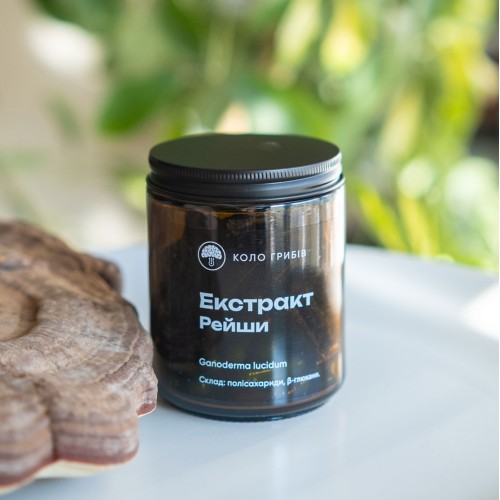
Learn more about the benefits of polysaccharides in mushrooms: Reishi (Ganoderma lucidum): Benefits and Uses
Anti-inflammatory components. Some mushrooms possess pronounced anti-inflammatory properties. In particular, reishi and chaga contain triterpenoids and melanin complexes that inhibit the release of pro-inflammatory cytokines and reduce chronic inflammation herbalreality.com. This is important because, in autoimmune diseases, inflammation is a key factor in tissue damage. By reducing the intensity of the inflammatory response, mushroom extracts can help protect tissues from injury herbalreality.com.
Antioxidants. Many mushrooms are rich in antioxidants that reduce oxidative stress. This also indirectly supports immune balance, as chronic oxidative stress leads to immune dysfunction and sustains inflammation herbalreality.com. For example, chaga and cordyceps have been found to contain compounds that lower free radical levels and prevent related cellular damage in inflammatory conditions herbalreality.com.
Regulation of the immune response. Beyond directly enhancing immunity, some mushrooms can balance its activity. For instance, turkey tail (Trametes versicolor) contains polysaccharides PSK and PSP, which modulate lymphocyte activity and may reduce excessive autoimmune reactions herbalreality.com. In other words, these compounds help shift the immune response from an aggressive (autoaggressive) state to a more controlled one. Similar amphoteric (dual-action) properties have been described for reishi: the Ling Zhi-8 protein, isolated from reishi, simultaneously stimulates leukocyte proliferation and suppresses excessive inflammation — lowering TNF-α levels and the formation of autoantibodies restorativemedicine.org. Thus, reishi can boost immunity during infections while “calming” it during autoimmune processes restorativemedicine.org.
Neurotrophic effects. It is also worth mentioning lion’s mane (Hericium erinaceus). Although its primary action is related to the nervous system, this mushroom contains hericenones and erinacines — compounds that stimulate the synthesis of nerve growth factor (NGF) herbalreality.com. In autoimmune diseases of the nervous system (such as multiple sclerosis), lion’s mane promotes the regeneration of neurons and myelin sheaths and also exhibits anti-inflammatory effects in neural tissue herbalreality.com.
Learn more about other beneficial properties of Lion’s Mane in the article: Lion’s Mane – the mushroom of longevity!
Thus, medicinal mushrooms contain a diverse “arsenal” of compounds that affect immunity — from stimulating protective cells to exerting anti-inflammatory and antioxidant effects. This immunomodulatory activity explains the growing interest in their use for autoimmune diseases, as the ideal scenario is to strengthen defense against infections without provoking autoimmune attacks.
Can mushrooms trigger an excessive immune response and exacerbate autoimmune conditions?
One of the potential risks of using immunostimulating mushrooms in autoimmune disorders is the excessive activation of an already “overdriven” immune system. If a mushroom only stimulates and uncontrollably increases leukocyte activity, it could theoretically intensify autoimmune inflammation and cause a worsening of symptoms. Indeed, warnings can be found in the medical literature:
Shiitake. The extract of this mushroom (which contains the beta-glucan lentinan) actively enhances immune reactivity. It is known that shiitake can increase the activity of T-lymphocytes and NK cells and boost cytokine production. Because of this, there is a risk of aggravating autoimmune symptoms — sources indicate that in diseases such as multiple sclerosis, lupus, or rheumatoid arthritis, it is better to refrain from taking shiitake rxlist.com. In other words, “boosting” the immune system with shiitake may backfire on the patient.
Read also: Shiitake: Benefits and Uses
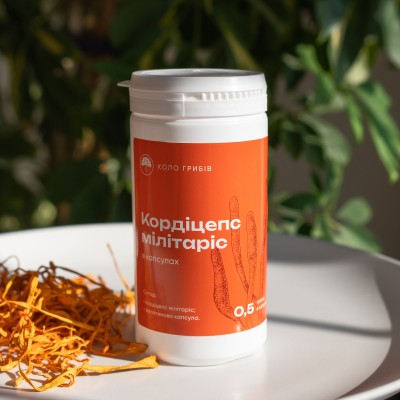
Cordyceps. Although this mushroom is known as an adaptogen, some evidence indicates its stimulating effect on the immune system. The caution is similar: patients with autoimmune diseases (RA, SLE, MS) are not advised to take cordyceps without medical supervision, as it may excessively activate the immune system and worsen symptoms woodlandherbal.com.
Learn more about how mushrooms support immunity in the article: Impact of Cordyceps militaris on Immunity
Other immunostimulants. Similarly, mushrooms with a strong “immune-boosting” effect can theoretically counteract the action of immunosuppressants (drugs that suppress the immune system) and nullify therapy. In particular, it is known that the use of potent immunomodulators may reduce the effectiveness of medications such as corticosteroids, cyclosporine, and others rxlist.com. Therefore, combining mushroom supplements with immunosuppressive drugs should be done cautiously and under medical supervision.
At the same time, not all mushrooms should be considered unequivocally dangerous in autoimmune conditions. As mentioned above, some of them have an immunoregulatory nature of action. Reishi is considered one of these mushrooms: in phytotherapy, it is described as “amphoteric,” meaning it can enhance a weak immune response while also suppressing an excessive one restorativemedicine.org. Studies have shown that one of Reishi’s proteins can inhibit the production of excessive antibodies and pro-inflammatory cytokines in autoimmune processes restorativemedicine.org. This means that Reishi theoretically should not cause flare-ups but rather help normalize the immune response. Similarly, turkey tail contains polysaccharides that reduce immune system hyperreactivity herbalreality.com.
Safety conclusion
Immunomodulating mushrooms have an ambiguous effect in autoimmune conditions. On one hand, they can calm an overactive immune system (by reducing inflammation), but on the other hand, some of them may stimulate immune cells and thus potentially worsen autoimmune aggression. The reaction depends on the specific mushroom, dosage, and individual characteristics of the patient. During an active phase of an autoimmune disease, uncontrolled intake of strong immunostimulants is undesirable. It is always important to consult a doctor: a specialist will evaluate the benefit/risk ratio and, if necessary, select a safe dosage or an alternative herbalreality.com.
Scientific data are still inconclusive: most evidence has been obtained from cell and animal experiments. Nevertheless, these studies confirm the anti-inflammatory and immunoregulatory effects of mushrooms herbalreality.com. Early clinical observations are also encouraging, although large-scale studies in patients with autoimmune diseases are still lacking. In this situation, patients should proceed with caution: it is possible to discuss with a doctor the addition of mushroom preparations to treatment, especially during remission, but careful monitoring of well-being is essential. At the first signs of exacerbation, intake should be discontinued.
Overall, medicinal mushrooms in autoimmune diseases represent a promising direction in integrative medicine. When properly selected, they can support the immune system and alleviate symptoms without disrupting the delicate balance between defense and autoaggression. However, they should be viewed as an addition, not a replacement, to conventional therapy.
You can purchase high-quality mushrooms and extracts in our store.
This information is for educational purposes only and is not medical advice. Always consult your doctor before taking any supplements.
Frequently Asked Questions about Medicinal Mushrooms in Autoimmune Diseases
-
Can medicinal mushrooms be taken in autoimmune diseases?
Yes, but with caution. Some mushrooms, such as reishi or turkey tail, have immunoregulatory effects and can be safe under medical supervision, while shiitake or cordyceps are best avoided during flare-ups. -
Which mushrooms have anti-inflammatory effects in autoimmune conditions?
Reishi, chaga, and turkey tail contain triterpenes, melanins, and polysaccharides that lower pro-inflammatory cytokine levels and help maintain immune system balance. -
Why are mushrooms considered immunomodulators rather than stimulants?
They not only “boost” immunity but also help it self-regulate. This is important in autoimmune processes, where the goal is not stimulation but harmonization of the immune response. -
When is the best time to start a course of mushroom extracts for autoimmune diseases?
During remission, when the inflammatory process is inactive. This reduces the risk of flare-ups and allows the body to adapt gradually. -
Which mushrooms should be avoided in autoimmune diseases?
Shiitake and cordyceps can excessively activate the immune system, so they are not recommended for multiple sclerosis, lupus, or arthritis without specialist supervision.
For each client individually, we draw up instructions according to his indicators and requests
Monthly Course:
- Lion's Mane Mushroom Extract buy 90 capsules
- Cordyceps militaris extract buy 90 capsules
- Extract of Shiitake buy 90 capsules
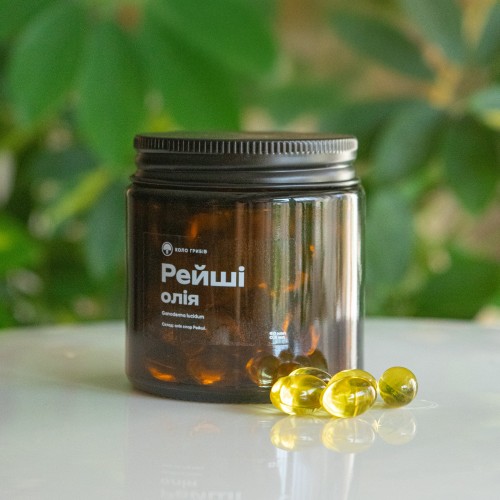
- Extract of Reishi buy 90 capsules
- Extract of Chaga caps buy 90 capsules
How to get discounts
Other articles on the topic:
- What is the difference between dried mushroom and extract?
- Properties of Lion's Mane Mushroom
- Reishi – A Natural Remedy for Hypertension
Contact us:
- Telegram
- Youtube
- Viber
