Medicinal Mushrooms in Addressing Neurological Disorders in Children
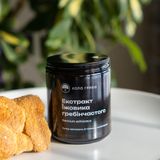
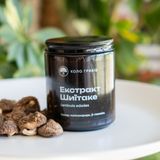
Three medicinal mushrooms — Lion’s Mane (Hericium erinaceus), Reishi (Ganoderma lucidum), and Shiitake (Lentinula edodes) — demonstrate promising properties in supporting the nervous system.
- Lion’s Mane stimulates the production of nerve growth factor (NGF) and is being researched in the context of autism and epilepsy; individual cases in children have shown significant improvements.
- Reishi, in spore powder form, reduced the frequency of seizures in adults with epilepsy by approximately 23%, with no serious side effects.
- Shiitake (ECLM mycelial extract) in an open-label study involving 18 children (ages 1–7) reduced seizure frequency and improved immune markers.
Preliminary results suggest the potential of these mushrooms for comprehensive support in neurological disorders. However, the current evidence is limited, and large-scale clinical trials are still needed.
Autism Spectrum Disorders (ASD)
Clinical Data
To date, there have been no large, controlled clinical trials evaluating Lion’s Mane in children with autism. The most illustrative is a 2024 case report of two twin girls with severe autism (level 3), who underwent a comprehensive, personalized intervention program. One of the components of this therapy included supplementation with Lion’s Mane extract.
Results: over approximately 1.5 years, ATEC scores (Autism Treatment Evaluation Checklist) dropped from 76 to 32 in the first child, and from 43 to 4 in the second. In the latter case, a “reversal” of autism symptoms was observed: normalization of speech, social interaction, and behavior. (Reversal of Autism Symptoms among Dizygotic Twins through a Personalized Lifestyle and Environmental Modification Approach: A Case Report and Review of the Literature)
Comment: the improvements were achieved as part of a multi-component therapy (diet, environmental detoxification, behavioral approaches, etc.). Therefore, it is not possible to isolate the specific contribution of Lion’s Mane. This is a single case illustrating potential benefit but does not constitute proof of effectiveness.
Learn more: Lion’s mane (Hericium erinaceus): properties, benefits for the brain and nervous system
Preclinical Studies
In the absence of clinical trials, data from experimental models provide valuable insights.
- Lion’s Mane (Hericium erinaceus, Amyloban 3399):
In a 2024 study on mice using a social defeat stress model (analogous to social deficits observed in ASD), Lion’s Mane extract significantly improved social behavior and reduced anxiety. The authors found that Amyloban suppressed hyperactivity in the brain’s dopaminergic system — a mechanism associated with enhanced social interaction. (Amyloban, extracted from Hericium erinaceus, ameliorates social deficits and suppresses the enhanced dopaminergic system in social defeat stress mice)
- Turkey Tail (Coriolus versicolor):
In a valproic acid (VPA)-induced autism model, daily administration of Coriolus versicolor reduced autism-like behaviors, normalized changes in the cerebellum and hippocampus, and suppressed inflammatory responses via the TLR4–MyD88–NF-κB signaling pathway. (Functional Foods Alleviate Behavioral Alterations and Improve GABAergic System Regulating TLR-4/NF-κB Axis in Valproic-Induced Autism)
Attention Deficit Hyperactivity Disorder (ADHD)
Clinical Data:
To date, there are no published clinical trials evaluating Hericium erinaceus specifically for the treatment or support of ADHD — neither in children nor in adults diagnosed with this condition. In particular, no studies have been conducted specifically involving children with ADHD (this population remains untested).
Laboratory and Experimental Studies:
Despite the lack of clinical data, researchers are exploring the mechanisms by which Hericium might affect ADHD-related neurobiology. One direction involves computational modeling and biochemistry. For example, a 2025 study employed network pharmacology and docking analysis to investigate whether compounds from Lion’s Mane could act on ADHD-related targets. Results showed that the mushroom’s water extract (which contained at least 17 identified metabolites) exhibited no toxicity toward neuronal cells in vitro and was rich in myo-inositol. (Phytoconstituents of Hericium erinaceus Exert Benefits for ADHD Conditions by Targeting SLC6A4: Extraction, Spectroscopic Characterization, Phytochemical Screening, In Vitro, and Computational Perspectives)
The model identified a key “hub” protein associated with ADHD — the serotonin transporter (gene SLC6A4). Interestingly, myo-inositol — one of the extract’s compounds — showed high binding affinity to this protein and formed a stable complex (pubmed.ncbi.nlm.nih.gov). This suggests that Hericium components may influence neurotransmitter systems (especially serotonin-related) that are involved in mood and attention regulation. However, this conclusion remains theoretical, based on in silico and in vitro data, without confirmation in living organisms.
Epilepsy
Clinical Data
Reishi (Ganoderma lucidum, spore powder) In a retrospective study (2018) involving 18 patients aged 22–63, an 8-week course of Reishi spore powder led to a reduction in weekly seizure frequency by approximately 23%. No serious side effects were reported; only mild and transient symptoms were observed. This study did not include children, but it is important as evidence of safety and potential efficacy in humans. (A retrospective study of Ganoderma Lucidum Spore Powder for patients with epilepsy)
Shiitake (Lentinula edodes, ECLM) An open-label study (2019) involved 18 children aged 1–7 with pharmacoresistant epilepsy. For one month, they received a standardized extract of Shiitake mycelium (ECLM) at doses of 0.6 g/day (under 3 years) or 1.2 g/day (older children).
- In 6 out of 18 children, a reduction in seizure frequency was observed.
- Improvements in EEG and increases in immune parameters (IgG, CD3, CD4, CD20, phagocytic index) were noted.
- Parents reported behavioral improvements and better quality of life.
The authors concluded that ECLM is a safe and promising adjunctive treatment in children with refractory epilepsy. (An open label trial of a standardized extract of cultured Lentinula edodes mycelia (ECLM) in children with refractory epilepsy)
Preclinical Studies
Reishi (Ganoderma lucidum) G. lucidum polysaccharides in neuronal and animal models reduced neuronal excitability by decreasing calcium overload and stimulating CaMKIIα expression. Certain triterpenoids, including ganoderic acid A, demonstrated anticonvulsant activity in rats. (Anti-Epileptic Effect of Ganoderma Lucidum Polysaccharides by Inhibition of Intracellular Calcium Accumulation and Stimulation of Expression of CaMKII α in Epileptic Hippocampal Neurons)
Lion’s Mane (Hericium erinaceus) In a mouse study of pilocarpine-induced status epilepticus (2019), Lion’s Mane extract exhibited neuroprotective effects:
-
Moderate doses (60–120 mg/kg) significantly increased survival of hippocampal neurons.
-
Pathological COX-2 expression in neurons and astrocytes was suppressed.
-
No effect was observed at high doses (300 mg/kg).
Thus, Hericium may protect the brain from seizure-related damage and reduce delayed cognitive impairments. (The Neuroprotective Effect of Hericium erinaceus Extracts in Mouse Hippocampus after Pilocarpine-Induced Status Epilepticus)
Interestingly, in one of the experiments, high doses of Hericium did not produce a beneficial effect and may have worsened outcomes, possibly due to paradoxical mechanisms — indicating that optimal dosing requires further clarification. (The Neuroprotective Effect of Hericium erinaceus Extracts in Mouse Hippocampus after Pilocarpine-Induced Status Epilepticus)
Speech Delay and Psycholinguistic Development
Clinical Data
There are no targeted scientific studies on the use of Hericium erinaceus for isolated speech delays or psycholinguistic disorders in children. Existing literature lacks case reports or trials where the primary outcome was speech development rate under the influence of Lion’s Mane.
Indirect Evidence
However, some indirect data allow for cautious hypotheses. As mentioned above, active compounds in Lion’s Mane stimulate neurotrophic factor synthesis, especially NGF (pmc.ncbi.nlm.nih.gov), which may support neuroplasticity — the brain’s ability to form new neural connections. In the context of a developing child’s brain, this could theoretically accelerate learning and speech development. Some sources suggest that introducing Lion’s Mane into a child’s diet may “lay the foundation for a more robust neural network in the future,” improving memory, concentration, and creative abilities (mushroomplanet.com.ua). The role of NGF is particularly emphasized: it is critical for the differentiation and growth of neurons in language centers, so NGF stimulation by Hericium could hypothetically speed up the maturation of these structures.
Conclusion (Developmental Delay)
There is no scientific evidence confirming the benefits of Hericium for speech or psycholinguistic delays in children. There is biological plausibility — due to its neurotrophic effects, the mushroom may support brain development (pmc.ncbi.nlm.nih.gov) — but this has not been confirmed by research. Any application in such cases is based on extrapolation from data on general cognitive enhancement and remains experimental.
Safety Profile
Lion’s Mane (Hericium erinaceus)
- In clinical studies on adults, it is generally well tolerated. Side effects are rare and usually mild: digestive discomfort (nausea, abdominal discomfort), occasional skin rashes.
- Isolated allergic reactions have been reported in people with mushroom allergies (itching, rash, breathing difficulty).
- In animal studies, high doses were less effective or even worsened outcomes compared to moderate ones — so “more” doesn’t always mean “better.”
- Potential interactions: may exhibit hypoglycemic and anticoagulant effects, so caution is advised in people with diabetes or those taking blood-thinning medications.
- Pediatric dosing is not established, so use in children should only occur under medical supervision.
Reishi (Ganoderma lucidum)
- In clinical trials (including in epilepsy), Reishi was well tolerated with no serious side effects.
- Mild reactions were reported in some cases: fatigue, nausea, dry mouth, diarrhea, dizziness. All were temporary and resolved spontaneously.
- Reishi has immunomodulatory and anticoagulant properties — in theory, it may enhance the effects of anticoagulant drugs.
- Long-term studies in children are lacking, but adult data and limited pediatric cases suggest a good safety profile when used under supervision.
Shiitake (Lentinula edodes, ECLM mycelial extract)
- In an open-label study involving children aged 1–7 with pharmacoresistant epilepsy, the extract was used for 1 month. Children tolerated the supplement well, with no serious side effects reported.
- On the contrary, positive immune responses were observed (increases in IgG, CD3, CD4, CD20, phagocytic index) and a decrease in infections during the observation period.
- In adults, rare skin reactions (“Shiitake dermatitis”) have been described after consuming raw mushrooms, but this effect was not observed with standardized mycelial extract.
✅ General Conclusion:
All three mushrooms — Lion’s Mane, Reishi, and Shiitake — demonstrate a good safety profile in short-term studies, with infrequent and mild side effects. No serious complications have been reported. However:
-
optimal dosages for children have not yet been established,
-
individual allergic reactions are possible,
-
potential drug interactions should be considered (especially with anticoagulants and hypoglycemic agents).
Use in pediatrics is advisable only as part of comprehensive therapy and under medical supervision.
This information is provided for informational purposes only and is not medical advice. Consult your doctor before taking any supplements.
You can order Lion’s Mane, Reishi, and Shiitake in our online store.
For each client individually, we draw up instructions according to his indicators and requests
Frequently Asked Questions about Using Medicinal Mushrooms in Children
-
Can children take Lion’s Mane (Hericium erinaceus)?
Lion’s Mane is being studied for brain support, but pediatric dosages have not been established. Use is only recommended under medical supervision. -
Do mushrooms help with autism in children?
There are isolated cases of improvement, but no large clinical trials have been conducted yet. Evidence remains limited. -
Can mushrooms be used for epilepsy?
Research suggests that Reishi and Shiitake may help reduce seizure frequency, but they do not replace prescribed medical treatment. -
What side effects are possible?
Mostly mild: nausea, abdominal discomfort, and rarely, rashes. No serious complications have been reported. -
Can medicinal mushrooms be combined with medications?
Yes, but caution is needed — especially when taking anticoagulants or antidiabetic medications.
Monthly Course:
- Buy Lion's Mane Mushroom (whole/powder) 100 g
- Buy Lion's Mane Mushroom Extract 90 capsules
- Buy Reishi for microdosing, powder 100 g
- Buy Extract of Reishi 90 capsules
- Buy Shiitake whole 100 g
- Buy Extract of Shiitake 90 capsules
Other articles on the topic:
- What is the difference between dried mushroom and extract?
- How Lion's Mane Mushroom Improves the Condition in Alzheimer's Disease
- Treatment of Herpes with Reishi and Shiitake
Contact us: