 Mushrooms
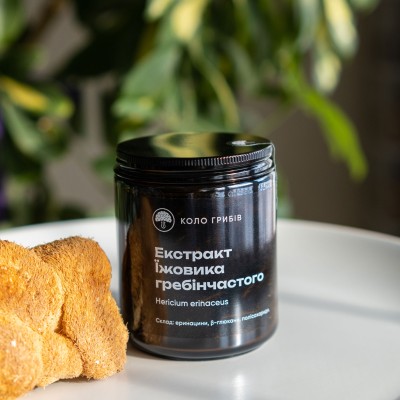
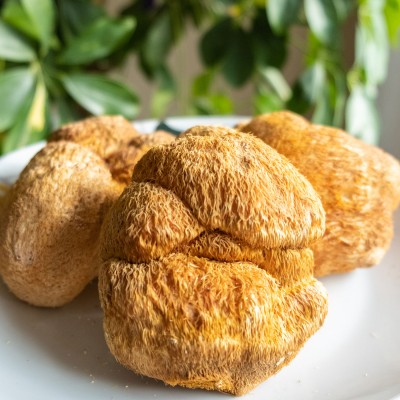
 Lion’s mane
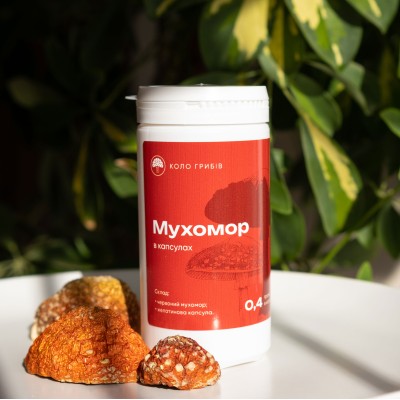
 Fly agaric
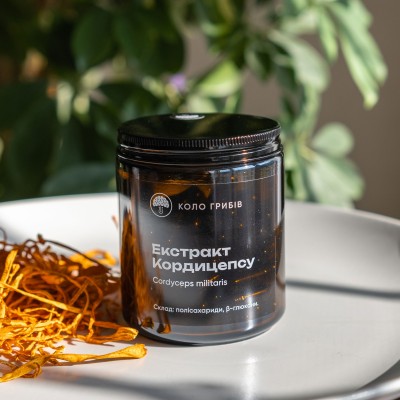
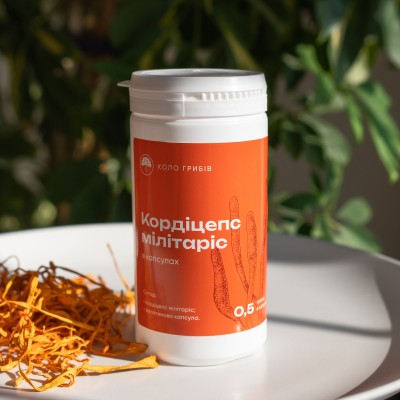
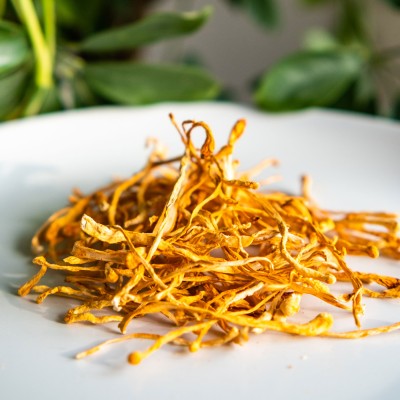
 Cordyceps militaris
 Reishi
 Turkey Tail (Trametes versicolor)
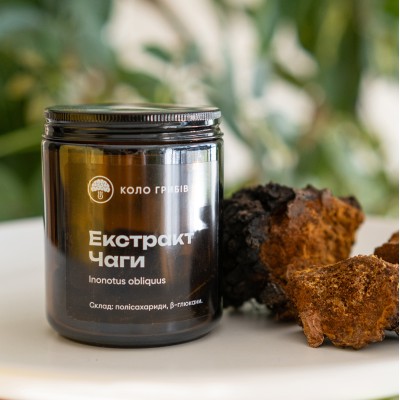
 Chaga
Chaga
 Chanterelle Mushroom
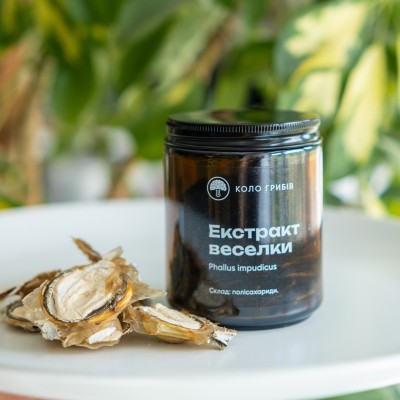
 Phallus Impudicus
 Shiitake
 Auricularia auricula
 Complexes
 For deep sleep
 For stress and nervous tension
 For energy, motivation, cheerfulness
 For libido and potency
 For brain function, increased concentration
 For the immune system
 For liver support
 For joints and ligaments
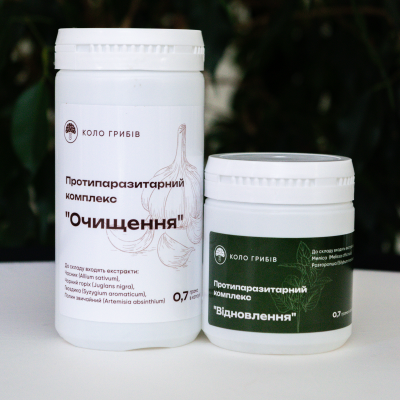
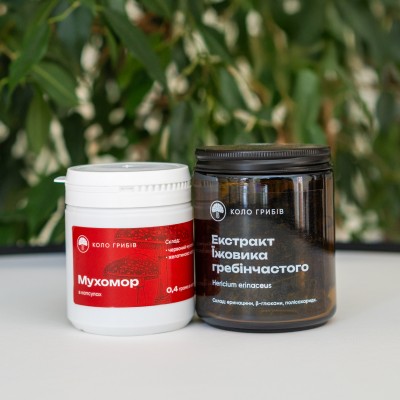
 Herbal products
 Vitamins
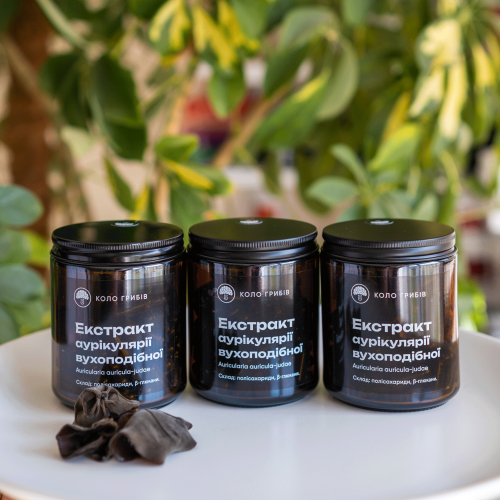
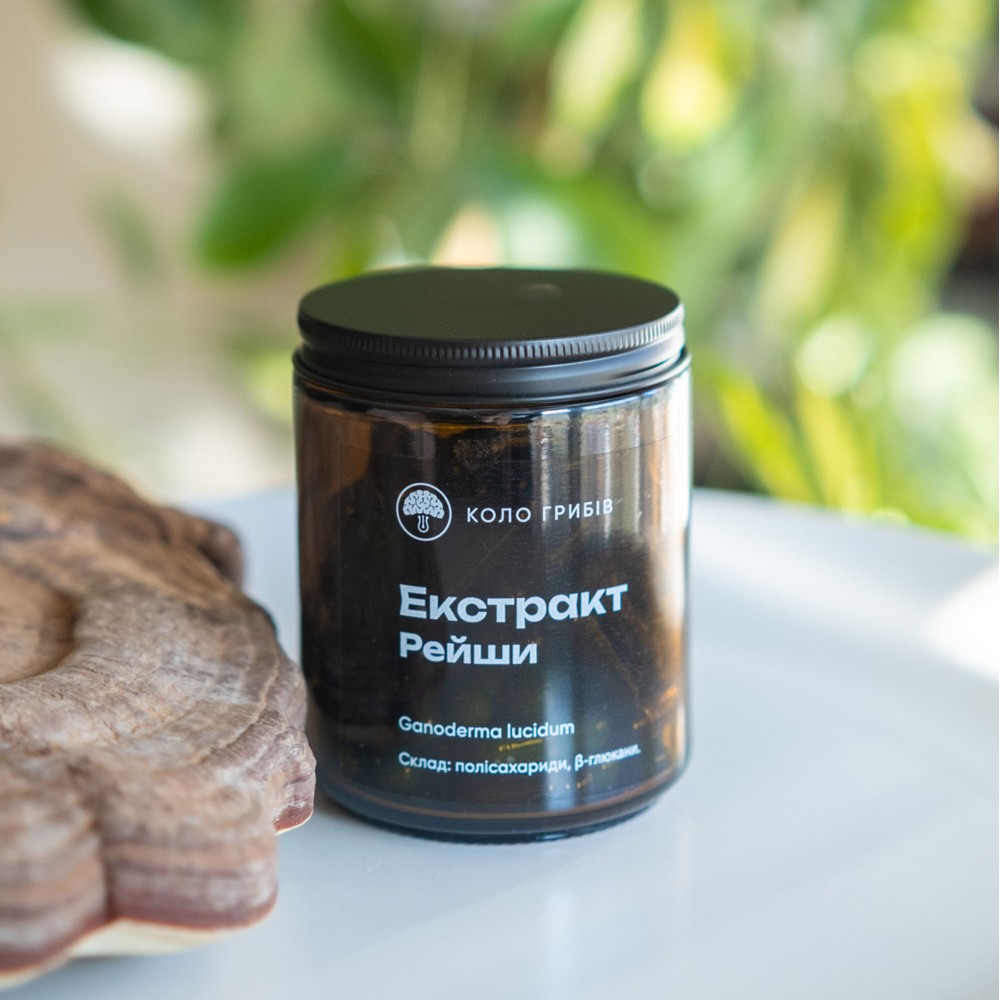
Extract of Reishi caps
Delivery abroad possible
Easy exchange and return within 14 days
Description
Reishi extract (Ganoderma lucidum) is a concentrated form of one of the world’s best-known medicinal mushrooms, traditionally used to support the immune system, stress adaptation, body recovery, and sleep quality.
Unlike ground mushroom, a standardized extract contains a significantly higher concentration of bioactive compounds, which means it requires a lower dosage and is better absorbed by the body.
What is Reishi
Ganoderma lucidum, known as Reishi or the “mushroom of immortality,” has been used for centuries in Eastern medicine as a mushroom for supporting endurance, longevity, and the body’s internal balance.
Today, Reishi is one of the most researched functional mushrooms. Scientists pay particular attention to its adaptogenic, antioxidant, and immunomodulating properties.
The main active components of Reishi are β-glucans, triterpenes, polysaccharides, sterols, and ganoderic acids.
These compounds are involved in supporting the immune response, stress adaptation, and cellular protection against oxidative load.
Why Reishi extract is stronger than ground mushroom
☘️ Higher bioavailability – the active components of the extract are absorbed more efficiently than those in regular mushroom powder
☘️ Concentrated content of β-glucans and triterpenes – more active compounds in a smaller dosage
☘️ Stable composition – controlled content of active components in each capsule
☘️ No excess chitin – the extract is easier to absorb and places less burden on digestion
☘️ Fewer capsules – a more pronounced effect: the concentrated form allows you to receive more benefits with a smaller intake volume
☘️ Laboratory purification and standardization – purity and quality control for every batch
Mushroom extracts are used in modern fungotherapy much more often than regular ground mushroom or tinctures.
How Reishi extract works
Reishi works in a complex way – through the nervous system, stress-adaptation mechanisms, immune response, and antioxidant protection.
Unlike stimulants, Reishi extract does not cause sharp excitation of the nervous system. Its action is softer and cumulative: the mushroom helps the body adapt better to stress loads and maintain stable internal balance.
Main properties of Reishi extract
Nervous system support and stress adaptation
Reishi is considered one of the best-known adaptogenic mushrooms. Its active compounds help the body cope with stress more easily, support emotional balance, and reduce nervous exhaustion.
Reishi extract is often used during high psycho-emotional load, prolonged stress, irritability, and difficulties with recovery after overstrain.
Immune system support
Reishi beta-glucans interact with macrophages, T lymphocytes, and NK cells, supporting the body’s natural immune response mechanisms.
Reishi extract is often used:
- during the season of viral load
- with weakened immunity
- after prolonged stress
- during periods of body recovery
Antioxidant protection and cardiovascular system support
Reishi contains polyphenols and other antioxidant compounds that help reduce oxidative stress and protect cells from free radical damage.
This is especially important for the nervous and cardiovascular systems, as well as for supporting the body during high physical load and chronic stress.
Sleep improvement and recovery
Reishi extract is often used to support quality rest and the natural recovery of the nervous system.
Unlike sedatives, Reishi does not cause sharp suppression of the nervous system, but helps the body gradually shift into a more stable state.
Reishi is often chosen by people with light sleep, frequent awakenings, a feeling of exhaustion, and difficulty recovering after stress.
Liver support and metabolic processes
The active compounds of Reishi help support liver function, lipid metabolism, and the body’s natural detoxification mechanisms.
Reishi is also often used to support the body during high metabolic load, irregular nutrition, and prolonged stress.
What Reishi extract is most often used for
Reishi extract is most often chosen by people who face prolonged stress, emotional exhaustion, sleep disturbances, or frequent viral load.
Reishi (Ganoderma lucidum) is often used in comprehensive support protocols for:
- frequent viral load
- nervous exhaustion and fatigue
- impaired adaptation to stress
- high load on the cardiovascular system
- elevated cholesterol levels
- chronic inflammatory processes
- liver load
- seasonal allergic reactions
- age-related decline in cognitive function
- high immune and oncological load
In fungotherapy, Reishi is considered one of the foundational mushrooms for long-term support of adaptive mechanisms and overall body recovery.
✅ Best combination
For comprehensive body support, Reishi extract combines well with:
Lion’s Mane – for the nervous system and concentration
Cordyceps militaris – for energy, endurance, and recovery
Stinkhorn mushroom – for immune system support
Buy Reishi extract in capsules in Ukraine
You can buy Reishi extract (Ganoderma lucidum) in capsules online with delivery throughout Ukraine.
The product page provides up-to-date availability, package options, and information about the composition of Reishi extract.
Specification
Who is suitable for
Reishi extract may be beneficial for people who:
- are in a state of chronic stress;
- experience high psycho-emotional load;
- deal with sleep disturbances;
- feel fatigue and exhaustion;
- want to support digestive system health and liver function;
- often get sick during the season of viral load;
- want to support the body’s adaptive mechanisms;
- care about cardiovascular system health.
Scientific research data
Darija Cör Andrejč et al.(2022) Antioxidant, antibacterial, antitumor, antifungal, antiviral, anti-inflammatory, and nevro-protective activity of Ganoderma lucidum: An overview – described the antioxidant, antibacterial, antifungal, and neuroprotective properties of Reishi (Ganoderma lucidum).
F. R. Mowsumi et al. (2013) Preventive Effect of Ganoderma lucidum on Paracetamol-induced Acute Hepatotoxicity in Rats – studied the liver-protective potential of Reishi in a model of acute toxic load.
Didem Sohretoglu et al. (2018) Ganoderma lucidum Polysaccharides as An Anti-cancer Agent – analyzed bioactive Reishi polysaccharides and their potential effects on the immune response, apoptosis, angiogenesis, and cellular defense mechanisms.
ℹ️ The cited studies describe biological mechanisms and are not clinical recommendations.
Recommended course of treatment
Dosage: 3 capsules per day
Directions: take in the morning, before meals, with water.
Course: 1-3 months, depending on the desired result
- 1 month – for prevention
- 3 months – for deeper and more stable effects
Storage conditions and quality of raw materials
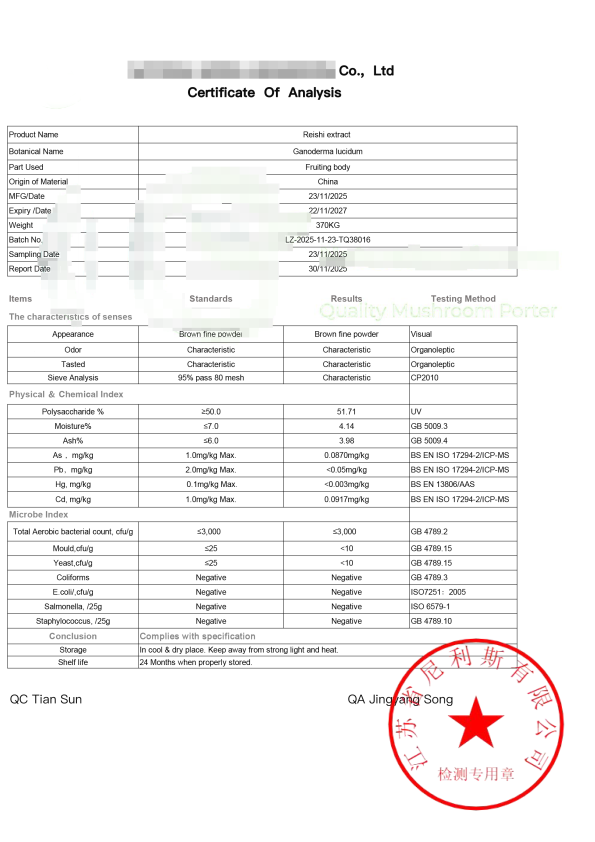
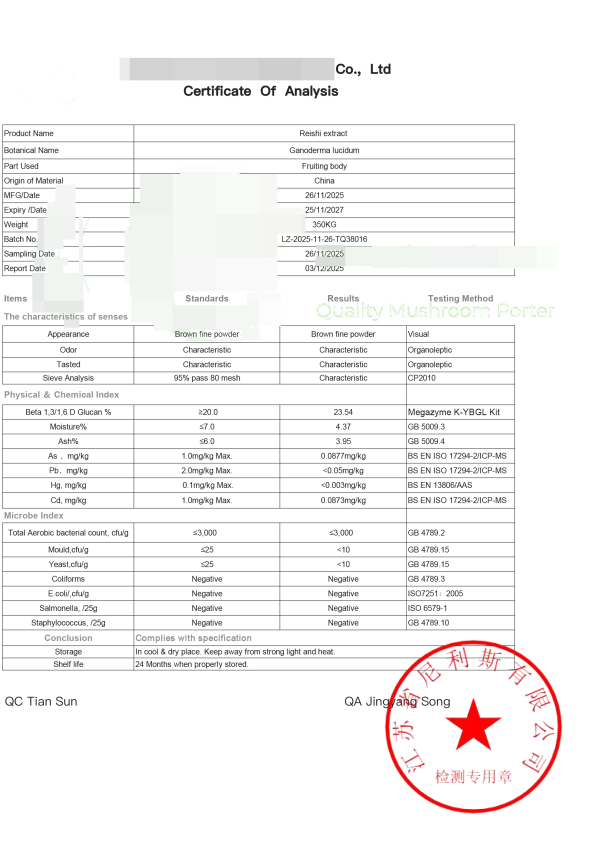
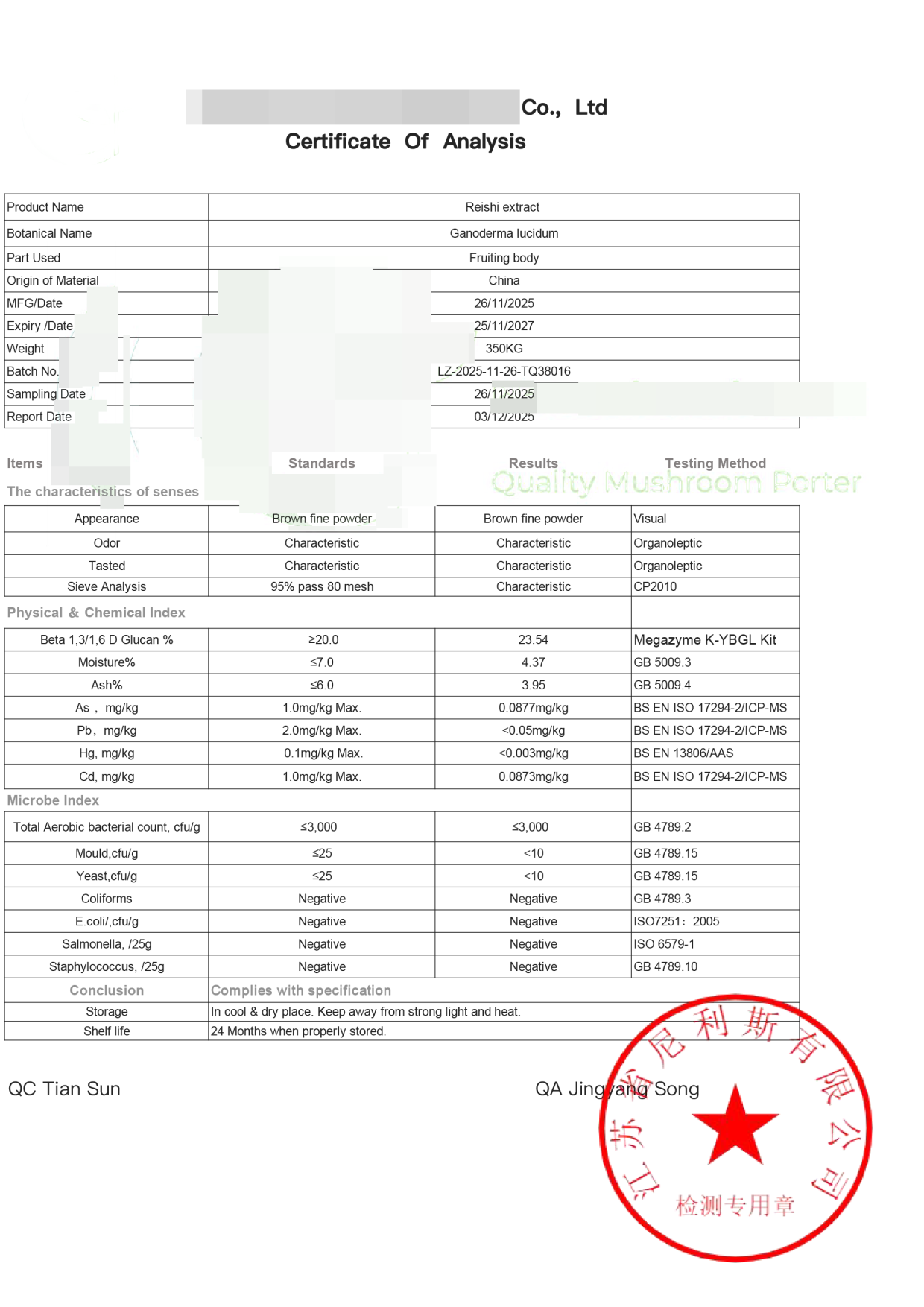
The product uses a certified extract with a standardized content of polysaccharides – 50% and β-glucans – 20%.
Storage conditions
Store in a dry, dark place.
Avoid moisture and direct sunlight.
Keep out of reach of children.
Please note
Not recommended without consulting a specialist:
- children under 18 years old;
- pregnant women and women during lactation;
- people with individual sensitivity to mushrooms;
- people taking anticoagulants or immunosuppressive medications.
In case of discomfort, it is recommended to temporarily reduce the dosage and give the body time to adapt. If needed, you can contact our specialist for additional consultation.
Payment
Warranty
Delivery