
 Mushrooms
 Lion’s mane
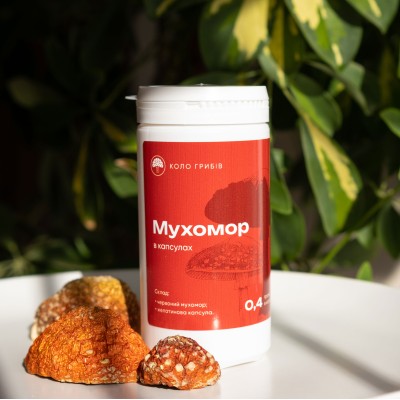
 Fly agaric
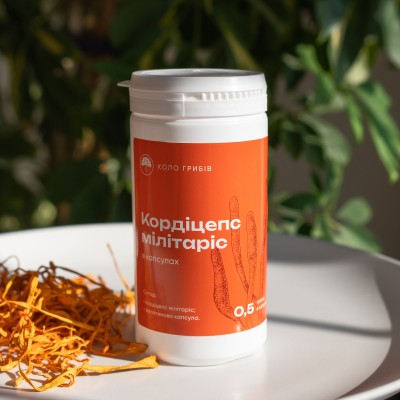
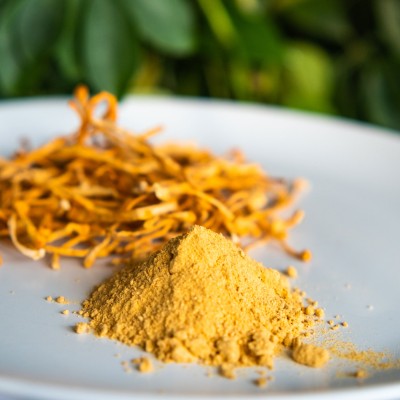
 Cordyceps militaris
 Reishi
 Turkey Tail (Trametes versicolor)
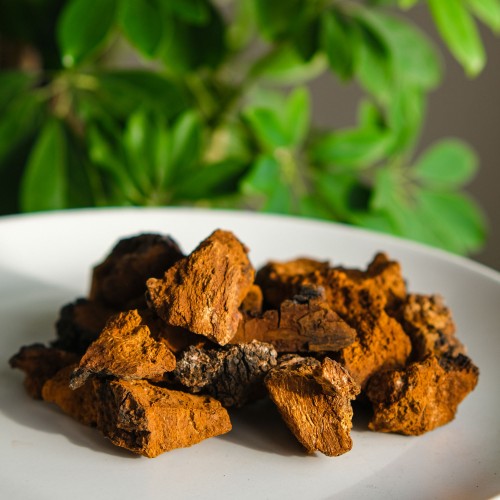
 Chaga
Chaga
 Chanterelle Mushroom
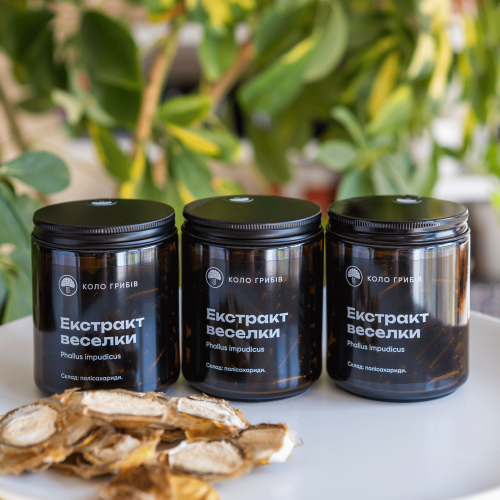
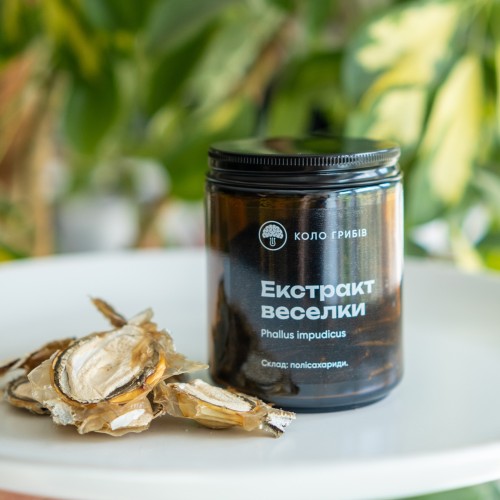
 Phallus Impudicus
 Shiitake
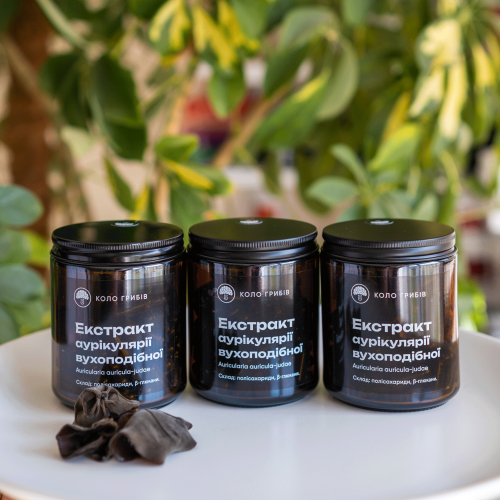
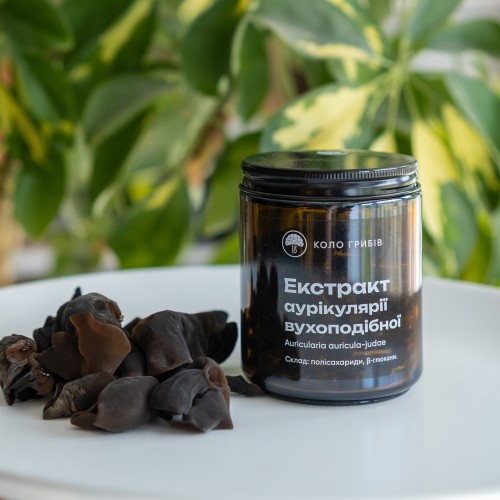
 Auricularia auricula
 Complexes
 For deep sleep
 For stress and nervous tension
 For energy, motivation, cheerfulness
 For libido and potency
 For brain function, increased concentration
 For the immune system
 For liver support
 For joints and ligaments
 Herbal products
 Vitamins


What You Should Really Pay Attention to When Buying Fly Agaric for Microdosing
Many people, when choosing dried fly agarics, focus only on appearance: the caps should be bright red, intact, without cracks — as if from a picture.
And that’s a mistake. Under the guise of “perfectly beautiful” fly agarics, sellers often offer mushrooms from previous seasons that have already lost a significant portion of their active compounds.
Why a Beautiful Fly Agaric Is Not Always High Quality
Over time, fly agarics may retain their color, but the active compounds — ibotenic acid and muscimol — gradually degrade.
Therefore, a visually appealing mushroom may be almost inactive.
In contrast, cracks, natural imperfections, or a slightly dull color often indicate natural drying without overheating or chemical treatment.
How to Choose Quality Dried Fly Agarics: Key Criteria
1. Pay attention to the season, not just the harvest year
Fly agarics have a distinct harvest season — September to October.
For example, if it’s autumn 2025, these mushrooms are considered fresh.
They will remain suitable for use throughout 2026 if properly stored.
However, mushrooms harvested in autumn 2024 or earlier have already lost part of their active compounds and will not produce the expected effect.
2. Proper drying is the key to safety and effectiveness
Proper drying affects not only the preservation of active compounds but also the safety of the mushroom.
At excessively high temperatures (above 60 °C), part of the ibotenic acid may degrade or decarboxylate unevenly, leading to the loss of some muscimol — the main active compound.
The optimal drying temperature for fly agarics is 40–50 °C: at this temperature, natural decarboxylation of ibotenic acid into muscimol occurs gradually, preserving the product’s maximum effectiveness and safety.
3. Where and How to Store Fly Agarics
Fly agarics should be stored in a dry, dark place without moisture exposure. Humidity or sunlight leads to spoilage and loss of activity.
4. The Maturation Period — Why It’s Important to Wait
After harvesting, the fly agaric must go through a maturation period of 4–8 weeks, during which ibotenic acid converts into muscimol — the main active compound.
If a seller offers dried fly agarics already in September or October, it’s a raw, toxic product that hasn’t “settled.”
It’s safe to buy them no earlier than the end of November.
5. How to Recognize a Fresh Mushroom by Smell and Texture
A quality mushroom has a pleasant, natural mushroom aroma with no smell of rot. To the touch, it should be dry but not over-dried to a stone-like state.
6. Avoid Suspiciously Low Prices and Check the Seller
If fly agarics are sold too cheaply — that’s a red flag.
On platforms like OLX, there are often listings with old mushrooms or batches dried under improper temperature conditions. Buying such fly agarics, you risk getting a product that has lost its activity or even become toxic. Choose trusted sellers who openly show their harvesting, drying, and storage process. It’s worth looking at the seller’s content — photos, posts, or store page — to see that the person truly understands what they’re doing, rather than simply reselling questionable raw material.
Conclusion: What to Focus On When Buying Fly Agarics
Do not choose fly agarics based only on appearance.
True quality is determined by the harvest season, drying process, storage conditions, and maturation time.
If a seller offers “very beautiful” mushrooms already in autumn — it’s better to wait.
Because an unaged fly agaric is a toxic product, not a medicinal one.
Buy fly agaric for health in our store!
⚠️ Warnings
- Toxicity. The red fly agaric contains active compounds that, in high doses, may cause nausea, vomiting, hallucinations, convulsions, and serious disturbances of the nervous system.
- Individual Sensitivity. The reaction to muscimol and ibotenic acid can vary greatly: for some people, even a small dose may be too strong.
- Combination with Alcohol. It is strictly forbidden to consume fly agaric together with alcohol or other psychoactive substances — this can increase toxicity and the risk of seizures.
- Vulnerable Groups. Not recommended for pregnant or breastfeeding women, children, or individuals with epilepsy, mental disorders, or severe liver, kidney, or heart diseases.
This information is provided for informational purposes only and is not medical advice. Consult your doctor before taking any supplements.
Frequently Asked Questions About Choosing Dried Fly Agarics
1. How to Tell if a Fly Agaric Is Fresh?
Mushrooms harvested during the September–October season of the current year are considered fresh. They retain their active compounds — ibotenic acid and muscimol.
2. Why Shouldn’t You Buy “New Harvest” Fly Agarics in Autumn?
Because the mushroom must go through a 4–8 week maturation period during which ibotenic acid converts into muscimol. Early sales indicate that the product is still toxic.
3. How to Determine Drying Quality?
A well-dried mushroom has a natural aroma, is not overly brittle, and was dried at 40–50 °C. Excessive heating destroys the active compounds.
4. How to Store Dried Fly Agarics?
Keep them in a dry, dark place away from sunlight and moisture. Ideally — in airtight containers at room temperature.
5. Why Does Price Matter?
A very low price often indicates old or improperly dried raw material. Reliable sellers always openly show their harvesting and drying process.
For each client individually, we draw up instructions according to his indicators and requests
Monthly rate:
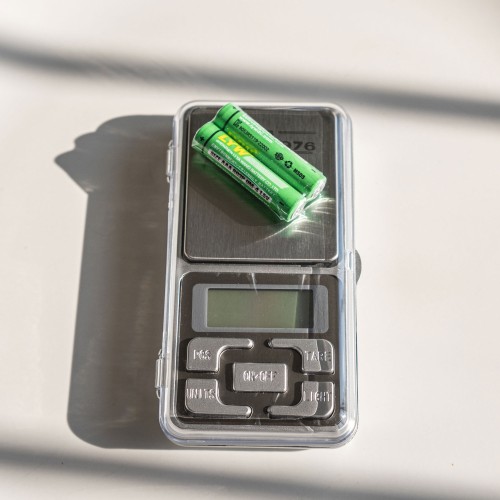
- Course for beginners Fly agaric whole/ground buy 50g+jewelry scales
- Fly agaric whole buy 50 g
- Fly agaric buy 60 capsules
- Fly agaric for 3 months buy 180 capsules
- Buy Complex for Alcohol Addiction Treatment
Read other articles on the topic of fly agaric:
- Amanita Muscaria – A Natural Antistress Remedy
- The chemistry of fly agaric and how it affects humans.
- What is microdosing?
Contact us:
