
 Mushrooms
 Complexes
 Herbal products
 Vitamins
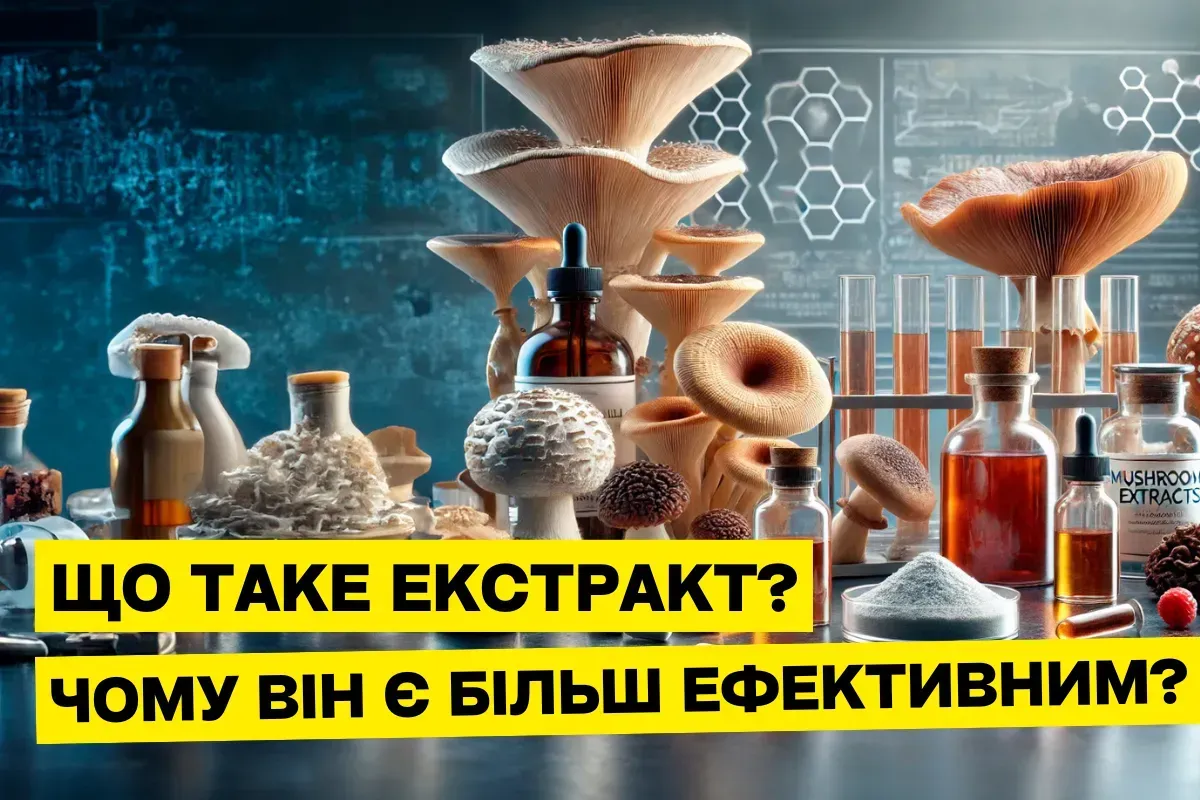

What is an extract, and why is it more effective?
Today, for better understanding, we want to talk about the difference between dried mushrooms and extracts.
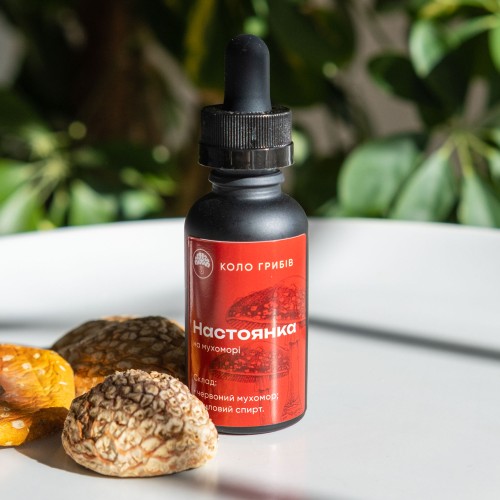
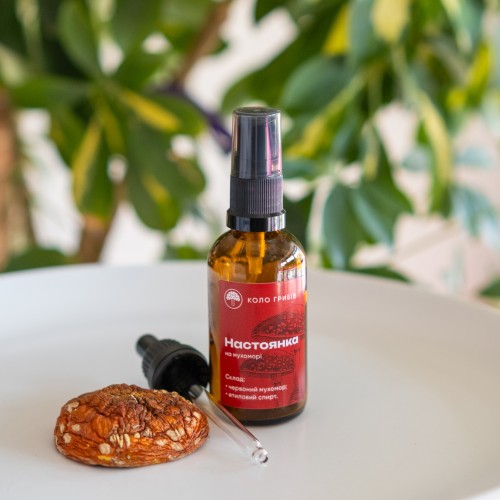
An extract is a concentrated product obtained from natural raw materials, where bioactive components with specific properties have been isolated.
You can read more about other bioactive compounds of mushrooms in the article How much stronger are extracts compared to dried fruiting bodies?
Mushroom extracts have several advantages over regular dried mushrooms:
- Higher concentration of active substances: Mushroom extracts contain significantly more active components (polysaccharides, beta-glucans, triterpenes, and others) than in regular dried mushrooms. This allows for a stronger effect with a smaller dose.
- Better bioavailability: Active substances in extracts are often more easily absorbed by the body. They are pre-processed (e.g., through fermentation or heat treatment), which promotes better absorption of beneficial components.
- Convenience of use: Extracts are usually available in the form of capsules, powder, or liquid, which is much more convenient for consumption than preparing and eating dried mushrooms.
- Quality control and stability: Mushroom extracts are usually standardized, meaning a consistent content of active substances in each dose. This allows for controlled dosing and product effectiveness.
- Minimization of unnecessary substances: During the extraction process, unnecessary or hard-to-digest components, such as chitin, are removed from the mushrooms, which can ease digestion and reduce the load on the digestive system.
The mushroom extraction process includes several key stages, aimed at isolating active substances and increasing their concentration, focusing active compounds and biologically active components of the mushroom in an effective dosage to achieve the desired result. This process is more balanced compared to regular dried mushrooms.
Also, take a look at: Is Lion’s Mane Mycelium Effective? The Truth About Grain-Grown Mycelium and Erinacine A
The extraction process is quite lengthy and includes:
1.Raw material preparation
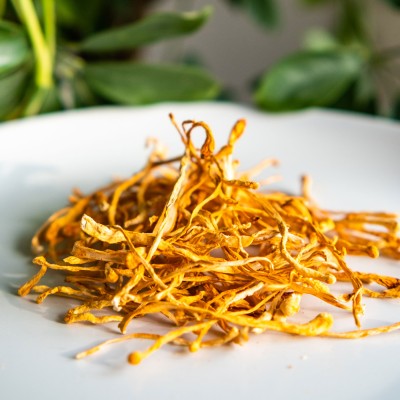
- Drying: Fresh mushrooms are first dried at a certain temperature to preserve the active substances.
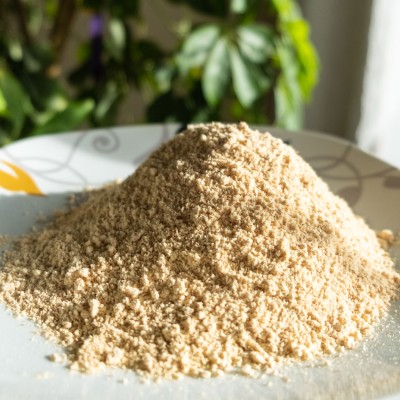
- Grinding: Dried mushrooms are ground into a powder to facilitate the subsequent stages of extraction.
2.Extraction
- Water extraction: The ground mushrooms are placed in hot water. This method allows for the extraction of water-soluble components, such as polysaccharides (e.g., beta-glucans). The water is heated to a certain temperature (usually 70-100°C), which helps dissolve the active substances. The solution is then separated from the solid part.
- Alcohol extraction: If substances that are not soluble in water need to be extracted (e.g., triterpenes or other lipophilic components), alcohol extraction is used. The mushroom powder is soaked in alcohol, which helps extract fat-soluble components.
- Dual extraction (combined): Both methods are combined — first water extraction, then alcohol extraction, or vice versa. This allows for the extraction of the maximum amount of active substances.
3.Filtration
- After extraction, the solution is filtered to remove the remaining mushroom material, leaving only the active substances in the liquid.
4.Concentration
- The obtained extraction liquid can be concentrated by evaporating excess moisture to increase the concentration of active substances.
5.Drying or stabilization
- Spray drying or lyophilization: The liquid extract is transformed into powder using spray drying or lyophilization (freezing followed by vacuum moisture evaporation). This step helps obtain a dry concentrate that is convenient for transport and long-term storage.
6.Standardization
- At this stage, the extract is standardized to ensure a consistent amount of active substances in each batch. This is important for quality control and effectiveness.
7.Packaging
- The finished extract is packaged into capsules, powder, or other forms for consumption.
This process allows for obtaining concentrated forms of mushrooms with a high content of beneficial substances, suitable for convenient use, separating components from each other, and then combining them in precisely selected proportions for optimal results.
Read about the immunomodulatory properties of mushrooms in the article Liver Regeneration with the Help of Lion’s Mane Mushroom
Extraction is conducted in laboratory conditions with specialized, expensive equipment, and the amount of raw material needed for extract production is usually 10:1, meaning that to obtain 100 g of extract, 1000 g of dried product is required. Therefore, it is logical that the cost of an extract is higher than that of dried mushrooms.
This information is provided for informational purposes only and is not medical advice. Consult your doctor before taking any supplements.
Of course, the choice is yours!
Our store offers a wide range of unique medicinal mushroom extracts. Consume responsibly and stay healthy!
For each client individually, we draw up instructions according to his indicators and requests
Frequently Asked Questions About Mushroom Extracts
-
How is mushroom extract different from dried mushrooms?
Extracts contain concentrated bioactive compounds that are much easier for the body to absorb. -
Are mushroom extracts safe?
Yes, when used in proper dosage and sourced from standardized supplements. -
Which mushrooms are most commonly extracted?
Lion’s Mane, Reishi, Shiitake, Chaga, Cordyceps, and Turkey Tail.
Monthly course:
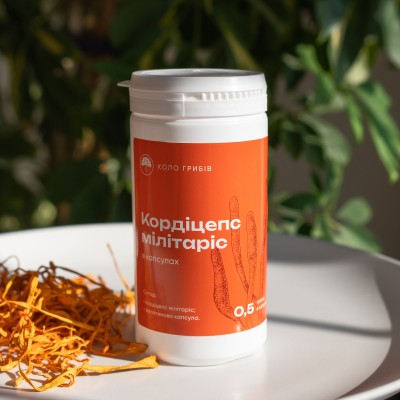
- Cordyceps militaris extract buy (90 capsules)
- Lion's Mane Mushroom Extract buy 90 capsules
- Extract of Chaga caps buy 90 capsules
- Extract of Shiitake buy 90 capsules
- Extract of Turkey tail caps buy 90 capsules
- Extract of Phallus caps buy 90 capsules
- Extract of Cantharellus cibarius caps buy 90 capsules
How to get discounts
Other articles on the topic:
- The Impact of Chitin on the Human Body
- What is the difference between dried mushroom and extract?
- What is microdosing?
Contact us:
- Telegram
- Youtube
- Viber
