 Mushrooms
 Lion’s mane
 Fly agaric
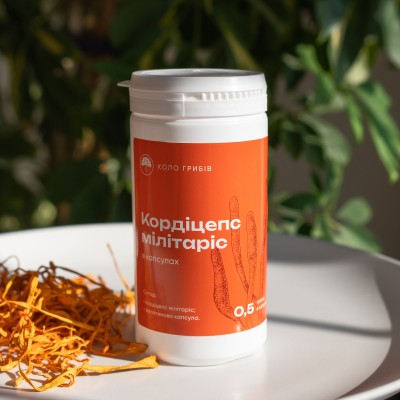
 Cordyceps militaris
 Reishi
 Turkey Tail (Trametes versicolor)
 Chaga
Chaga
 Chanterelle Mushroom
 Phallus Impudicus
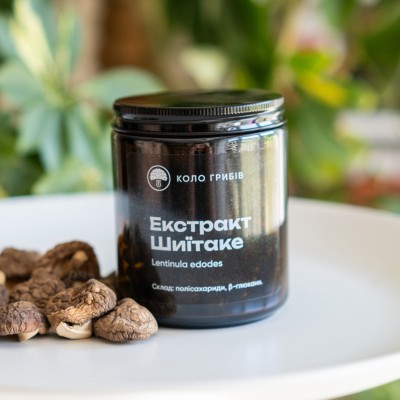
 Shiitake
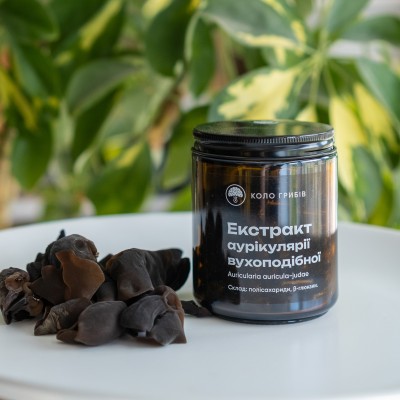
 Auricularia auricula
 Complexes
 For deep sleep
 For stress and nervous tension
 For energy, motivation, cheerfulness
 For libido and potency
 For brain function, increased concentration
 For the immune system
 For liver support
 For joints and ligaments
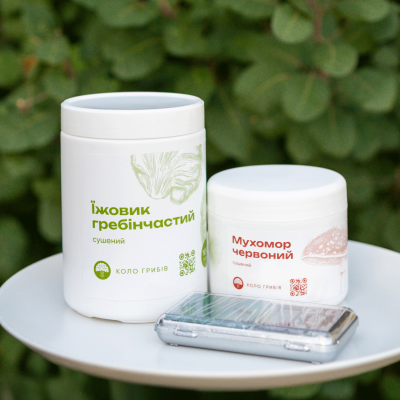
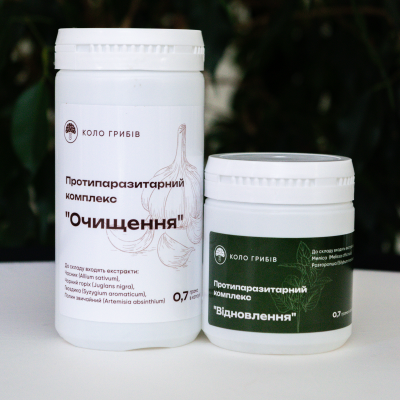
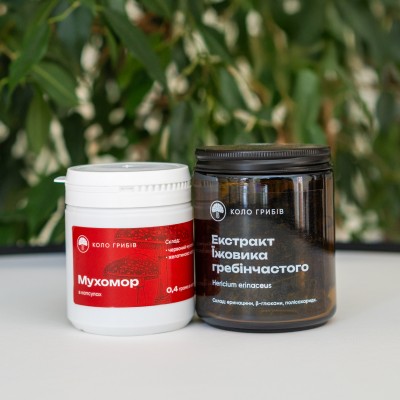
 Herbal products
 Vitamins
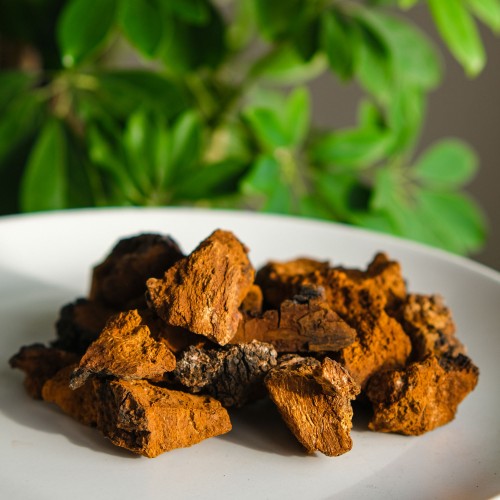
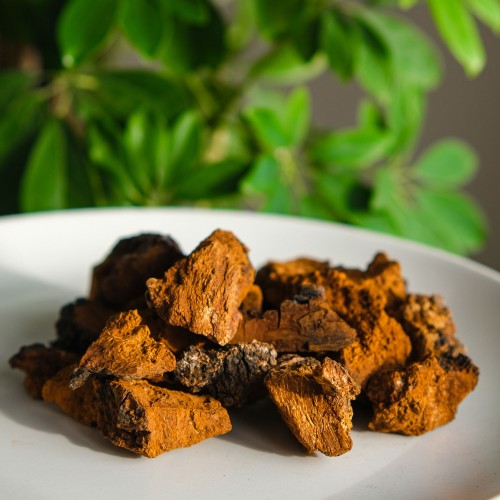
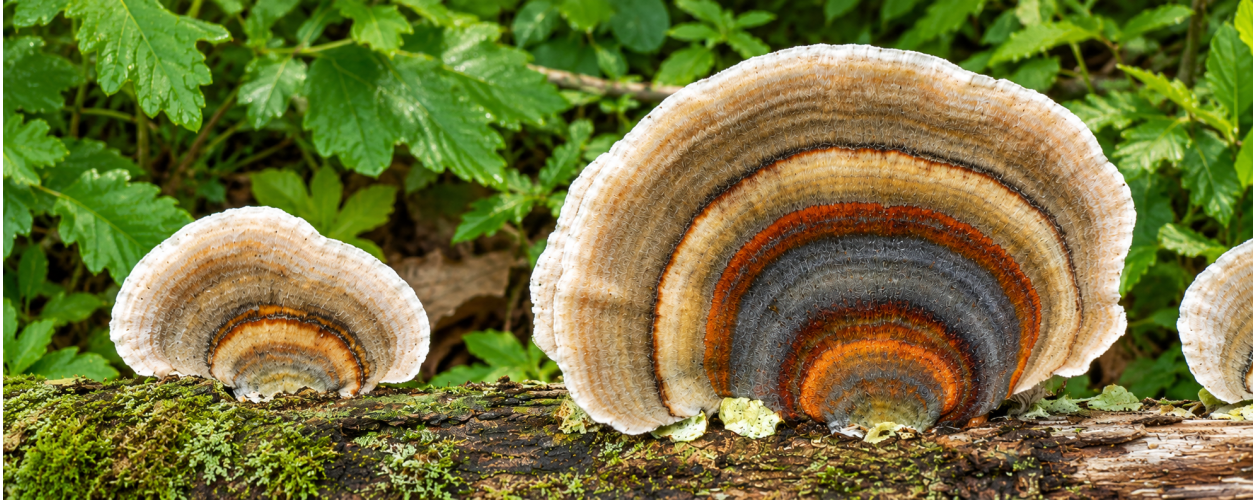

Turkey Tail mushroom (Trametes versicolor, Coriolus versicolor, Turkey Tail) is most often mentioned for its effects on the immune system. But recent studies show another interesting direction – the interaction of its polysaccharides with the gut microbiota.
Polysaccharopeptide PSP and other polysaccharides from Trametes versicolor may change the composition of the microbiota, affect the production of short-chain fatty acids, and influence processes related to inflammation and the condition of the intestinal mucosa.
However, the level of evidence here differs: some effects have already been observed in humans, while others have so far been shown only in animal experiments. Let’s look at three studies and clearly separate one from the other.
The gut is much more than digestion
The composition of the gut microbiota changes under the influence of diet, sleep, environment, genetics, and stress. Prolonged psycho-emotional load, through the interaction of the nervous, hormonal, and immune systems, may affect gut function and microbial balance.
Gut microorganisms participate in nutrient metabolism, support of the epithelial barrier, immune regulation, and the production of short-chain fatty acids. Therefore, changes in the microbiota may affect not only digestion.
In this context, it is especially interesting how Trametes versicolor polysaccharides affect the composition of the microbiota and its metabolic activity.
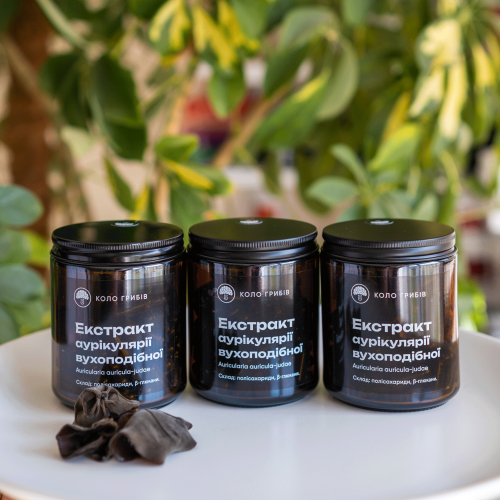
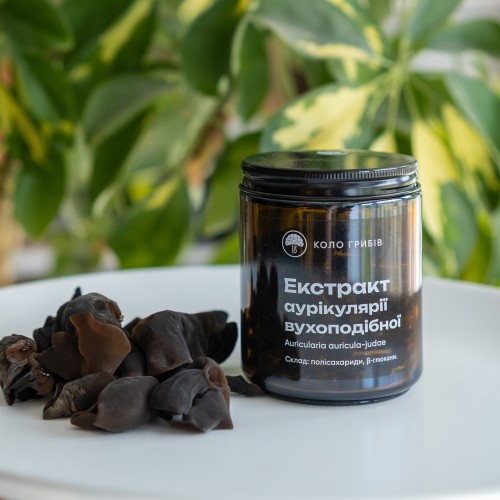
A similar effect of mushroom polysaccharides on the microbiota and intestinal barrier has also been studied for Wood Ear mushroom. How Auricularia supports gut health and immunity
1. Turkey Tail mushroom as a prebiotic: human study
Let’s start with the most interesting part – a randomized clinical study in healthy adults.
The study involved 24 volunteers who were divided into groups. One of the groups received polysaccharopeptide PSP isolated from Trametes versicolor. PSP was taken for 14 days, and the researchers analyzed microbiota samples repeatedly over eight weeks.
And this is where the most interesting part happened.
Before intake began, each person had their own fairly stable individual microbiota “pattern.” During PSP intake, the composition of gut bacteria began to change so consistently that, during statistical analysis, the samples collected during the Turkey Tail intake period formed a separate group – a separate microbiota cluster.
In other words, the researchers observed not a random fluctuation of a few bacteria, but a characteristic change in the structure of the gut microbiota associated with PSP intake. The authors directly describe this effect as consistent with the prebiotic activity of Trametes versicolor.
This is an important point. A prebiotic is not a bacterium, like a probiotic. It is a substance that affects the composition or activity of the gut microbiota already present.
Prebiotic properties are only one direction of mushroom polysaccharide action. We separately discussed how polysaccharides differ from β-glucans. Polysaccharides and beta-glucans in mushrooms: what is the difference
Therefore, Turkey Tail polysaccharopeptides may not simply pass through the digestive tract, but interact with the microbial ecosystem of the gut and change it.
Author: Kumar Pallav et al., Gut Microbes, 2014.
2. Turkey Tail polysaccharides, microbiota, and butyrate: mouse study
The next study helps us better understand what may happen inside the microbiota after Trametes versicolor polysaccharides enter the gut.
In a 2024 study, researchers examined intracellular and extracellular polysaccharides from Turkey Tail – IPTV and EPTV. The model was built on mice fed a high-fat diet. This type of diet noticeably disrupted their gut microbiota.
The number and diversity of bacteria decreased, and the ratio of the main bacterial groups changed.
After the administration of Trametes versicolor polysaccharides, the picture began to change: microbiota richness and diversity increased, and the changes caused by the high-fat diet partially shifted back toward a normal microbial profile.
But the most interesting result was not simply about which bacteria live in the gut, but about what these bacteria produce.
Production of short-chain fatty acids increased
The researchers separately measured short-chain fatty acids – substances formed when gut bacteria process certain components of food and other compounds.
Special attention was paid to butyrate. This is one of the key short-chain fatty acids: colon cells use it as an energy source, and sufficient butyrate levels are associated with support of the intestinal barrier and regulation of inflammatory processes.
The high-fat diet noticeably reduced the levels of these acids in mice. After the administration of two Trametes versicolor polysaccharide fractions, the markers began to recover.
Butyrate changed most noticeably: one polysaccharide fraction increased its level by 105.94%, and the other by 130.31% compared with the group of mice with high-fat-diet-induced disturbances. In other words, in both cases, butyrate concentration more than doubled. At the same time, levels of acetic and propionic acids also increased.
The level of metabolites was not the only thing that changed. The gut contained more bacteria associated with butyrate production, including Eubacterium and Roseburia. In colon tissues, the activity of receptors through which the body responds to short-chain fatty acids also increased.
As a result, the changes covered several levels at once: microbiota composition → butyrate-producing bacteria → short-chain fatty acid levels → the response of intestinal cells to these metabolites.
Trametes versicolor polysaccharides also partially normalized the disrupted composition of the fungal part of the gut microbiota. This shows that their potential effect may concern not individual “beneficial bacteria,” but broader changes in the microbial ecosystem of the gut.
Effects on the microbiota and short-chain fatty acid production have also been described for other mushrooms – in particular Lion’s Mane mushroom. Lion’s Mane mushroom for the stomach and gut
Authors: Ming Bai, Zhenfeng Huang, Xiaoya Zheng, Mingyong Hou, Song Zhang, Microorganisms, 2024.
3. Turkey Tail mushroom and the intestinal mucosa: less inflammation and damage
The microbiota is only one part of gut health. The condition of the mucous membrane itself is no less important, as it protects tissues and participates in the local immune response.
In the third study, scientists used a model of experimental colitis in mice. The animals developed inflammation of the colon, swelling, mucosal damage, loose stools, and in some cases ulcers.
Turkey Tail mushroom was given orally for four days. In the group that received it, inflammation and visible damage to the colon were less pronounced. The animals also lost less body weight.
When analyzing the tissues, the researchers saw the same picture: there was less swelling, necrosis, and infiltration of inflammatory cells into the intestinal wall.
How inflammation changed
In animals with colitis, substances that support the inflammatory response increased sharply. After intake of Trametes versicolor, their levels decreased.
At the same time, oxidative tissue damage decreased – a process that can intensify inflammation and interfere with normal mucosal recovery.
At the molecular level, Turkey Tail suppressed one of the main pathways through which cells initiate and maintain a strong inflammatory response, while also activating antioxidant defense mechanisms.
In other words, the effect was observed in two directions at once: fewer pro-inflammatory signals and less oxidative damage. In this experiment, this was accompanied by better preservation of the structure of the colon mucosa.
Author: Daniela Impellizzeri et al., Antioxidants, 2022.
What do these three studies show together?
These studies show Trametes versicolor from different angles. In the human study, Turkey Tail polysaccharopeptide changed the composition of the gut microbiota and showed prebiotic activity.
Animal experiments add to this picture: Turkey Tail polysaccharides supported microbiota diversity, increased the number of bacteria associated with butyrate production, and raised levels of short-chain fatty acids. In another study using a colitis model, researchers observed less inflammation, oxidative damage, and damage to the colon mucosa.
Together, these results show that the potential effect of Trametes versicolor on the gut may involve more than one single process. Changes are visible in the microbiota itself, in the substances produced by gut bacteria, and in the condition of intestinal tissues.
Why polysaccharides are especially important here
In these studies, the key role was played not simply by “Turkey Tail,” but by its polysaccharide components. In the human study, polysaccharopeptide PSP was used, while in the mouse experiment, two different polysaccharide fractions of Trametes versicolor were used.
This is also important when choosing a mushroom product. The name of the mushroom on the package does not yet indicate how many biologically active polysaccharides are inside. The product form, extraction method, and standardization for polysaccharide and β-glucan content all matter.
We explained in detail how to read the composition of a mushroom extract and which standardization markers to pay attention to in a separate article. How to choose the best mushroom extract
Turkey Tail mushroom has long been known primarily as a mushroom associated with the immune system. But modern studies open another research direction – its interaction with the gut microbiota, bacterial metabolites, and the processes that determine the condition of the intestinal environment.
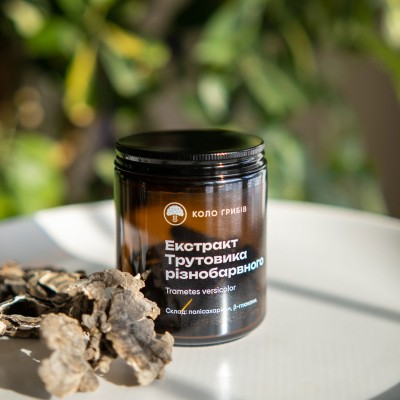
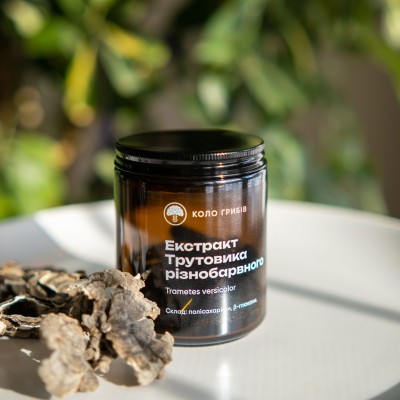
View the composition of the standardized Trametes versicolor extract with the stated content of polysaccharides and β-glucans Turkey Tail mushroom extract
Frequently asked questions about the effect of Turkey Tail mushroom on the gut
Is Turkey Tail mushroom beneficial for the gut?
The polysaccharide components of Trametes versicolor may affect the gut microbiota. In a small human study, polysaccharopeptide PSP changed the composition of the microbiota and showed prebiotic activity. Other effects, including changes in butyrate levels and the condition of the mucosa, have so far been shown mainly in animal models.
Is Trametes versicolor a prebiotic?
In a study in healthy adults, polysaccharopeptide PSP from Trametes versicolor caused changes in the microbiota that the authors described as a prebiotic effect.
What is butyrate and why is it important for the gut?
Butyrate is a short-chain fatty acid produced by gut bacteria. Colon cells use it as an energy source, and sufficient butyrate levels are associated with support of the intestinal barrier and regulation of inflammatory processes.
Has the effect of Turkey Tail mushroom on the gut been proven in humans?
In humans, the effect of polysaccharopeptide PSP on the composition of the gut microbiota has already been shown. Data on increased butyrate levels, reduced inflammation, and changes in the mucosa are still largely obtained from animal experiments